British Pound
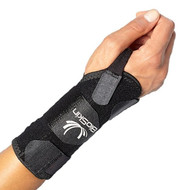
Wrist arthritis and related pain are common, especially when your hands are used repeatedly for work, hobbies, and everyday tasks. Repetitive movements, long hours at a keyboard, lifting, or hands-on activities can place ongoing stress on the wrist joint, making stiffness and discomfort harder to ignore over time.
A wrist brace for arthritis is one type of support used within orthopedic braces to help stabilize the wrist and modify certain movements that may aggravate symptoms. While it does not cure arthritis, it can provide external support that may help reduce discomfort during daily activities or flare-ups.
This article is intended to explain common wrist arthritis symptoms, how braces can fit into overall management, and when it’s important to consult a clinician for personalized guidance and care.
What Is Wrist Arthritis?
Wrist arthritis is a condition in which the joint surfaces in the wrist become irritated and worn over time. It usually involves a breakdown of the cartilage that allows the wrist bones to move smoothly against one another. As the cartilage wears down, inflammation can develop and begin to affect nearby bones, ligaments, and tendons, which leads to discomfort and reduced joint function.
There are several types of arthritis that can affect the wrist. Osteoarthritis is commonly related to joint wear over time or previous injury, while rheumatoid arthritis is an inflammatory condition that involves multiple joints, including the wrist. Both types contribute to pain, stiffness, and limited motion that interfere with everyday tasks.
People with wrist arthritis often notice symptoms, such as aching or soreness, swelling around the joint, stiffness (especially after periods of rest), and difficulty with movements that require strength or control. Symptoms may vary in intensity and can change over time, which is why management often focuses on reducing strain and protecting the joint while maintaining as much comfortable movement as possible.
How a Wrist Brace for Arthritis Works
A wrist brace is an external support designed to help stabilize the wrist joint when arthritis causes discomfort or reduced control. By holding the wrist in a more neutral position, the brace can provide stability and gentle compression that reduces unnecessary strain on irritated tissues.
Wrist braces differ from simple sleeves or elastic wraps in that they are typically more structured. Many designs include stays or straps that offer greater control of wrist movement. While soft sleeves focus mainly on warmth or light compression, a wrist brace may limit certain motions that tend to aggravate an arthritic joint, which can be helpful during flare-ups or repetitive activities.
Limiting excessive or uncontrolled movement can reduce stress on inflamed areas of the wrist, including surrounding tendons and soft tissues. By providing consistent support, a wrist brace may help manage symptoms and protect the joint as part of a broader approach that can include rest, activity modification, and guidance from a healthcare professional.
Common Symptoms That May Suggest Support Could Help
Wrist arthritis symptoms can look different from one person to another. The examples below highlight common signs that additional wrist support may be worth considering, especially when symptoms begin to interfere with daily activities.
Persistent wrist pain
Ongoing wrist pain that does not improve with rest may indicate that the joint is under repeated stress. This type of discomfort makes it difficult to complete routine tasks and may signal the need for added support during use.
Stiffness and reduced range of motion
One common complaint is stiffness, which typically occurs after periods of inactivity or first thing in the morning. Reduced range of motion can affect hand function and make controlled movements feel more challenging.
Swelling or tenderness around the wrist joint
Swelling or localized tenderness may develop when the joint is irritated or inflamed, and these can contribute to pressure and sensitivity around the wrist, especially with repeated movement.
Discomfort during daily tasks
Activities such as typing, gripping objects, lifting items, or performing fine motor tasks can become uncomfortable when the wrist lacks adequate support, and these movements often place repeated demands on the joint throughout the day.
Worsening symptoms after use or at night
Some people notice that symptoms increase after prolonged use or later in the day. Nighttime discomfort may also occur, especially if the wrist remains in strained positions during rest.
Symptoms vary per person, and wearing a brace is not a standalone solution. Wrist support is typically most effective when used as part of a broader management plan that may include activity modification, rest, and guidance from a healthcare professional.
Everyday Activities That Can Aggravate Wrist Arthritis
Many everyday activities place repeated demands on the wrist, which can aggravate arthritis symptoms over time. Tasks that involve repetitive hand and wrist movements (typing, cooking, lifting, or prolonged gripping), can increase strain on the joint and contribute to discomfort during or after use.
Age and joint wear can also play a role. As the wrist experiences years of use, the joint surfaces and surrounding tissues become less tolerant of repetitive stresses. Previous hand injuries or periods of overuse can further exacerbate sensitivity, making certain activities more difficult to tolerate.
During symptom flare-ups or when performing specific tasks, some people find that using a wrist brace offers added comfort by providing support and helping to limit movements that increase strain. This type of support is typically used during activities rather than as a constant solution.
Activity modification remains an important part of care. Adjusting how tasks are performed, taking breaks, and rotating activities can help reduce stress on the wrist and support longer-term joint health alongside other management strategies.
Types of Wrist Braces for Arthritis
Wrist braces come in several general styles, each offering a different level of support. Discuss your options with a healthcare professional and choose the support that matches your needs and daily activities.
Compression sleeves
Compression sleeves are typically soft and flexible, providing mild support and warmth around the wrist, which some people find helpful in managing mild symptoms or general aches. These sleeves usually allow a full range of motion and are often worn during light activities or for comfort throughout the day.
Rigid wrist braces
Rigid wrist braces offer more structure and stabilization. These braces may include stays or reinforced panels that help limit wrist motion and reduce strain on irritated tissues. This type of brace is often used when greater control is needed, such as during flare-ups or activities that place higher demands on the wrist.
Functional vs. resting braces
Functional braces are designed for daytime use and allow you to continue many daily tasks while providing support. Resting braces are typically used during periods of rest or at night and focus on keeping the wrist in a more neutral position. The choice between the two depends on symptom severity, activity level, and professional guidance.
Each type of wrist brace serves a different purpose, and no single design is right for everyone. Selection is usually based on comfort, required support, and how the brace fits into your overall care plan.
When and How to Use a Wrist Brace
A wrist brace can be useful as part of a broader management plan, but it isn’t a standalone cure for arthritis. Because wrist pain can have more than one cause, including conditions like carpal tunnel syndrome or tendonitis, it’s important to seek clinical evaluation when symptoms persist, worsen, or affect your daily function.
For many people, the most practical way to use a brace is during activities that reliably trigger symptoms. That might include typing, lifting, gripping, or repetitive tasks where the wrist tends to feel unstable or sore. Using support during these periods can help reduce unnecessary strain and make tasks more manageable.
It also matters how your wrist feels while wearing it. Adjust use if you notice increased pain, skin irritation, numbness, tingling, or any signs of circulation issues. A brace should feel supportive but not overly tight or restrictive.
For best results, brace use is usually combined with other strategies, such as rest during flare-ups, activity modification, and exercises prescribed by a clinician. This approach helps support the joint while also working toward better long-term function and comfort.
BioSkin Wrist Support
Toward the end of your decision-making process, it may be helpful to look at structured wrist support options designed with everyday wear in mind. BioSkin offers wrist support designs created to balance comfort, fit, and practical support for people managing wrist discomfort during daily activities.
BioSkin wrist supports are made with thoughtful materials and construction intended to provide consistent support without feeling bulky or restrictive. The focus is on wearability—how the brace feels during use, how it fits under or around clothing, and how easily it can be incorporated into routine tasks.
As with any wrist support brace, proper sizing is important. A brace that fits well is more likely to feel comfortable and supportive during use.
Frequently Asked Questions
Can a wrist brace help if I also have carpal tunnel syndrome?
A wrist brace may be used to support wrist positioning in some cases, but carpal tunnel syndrome has specific causes and treatment considerations. A clinician can help determine whether a brace is appropriate and how it should be used.
Are compression gloves or heated gloves better than a wrist brace for arthritis wrist pain?
Compression gloves and heated gloves may offer warmth or light compression, which some people find comforting. A wrist brace, however, provides more structured support and limits certain movements.
Should you wear a wrist brace after hand injuries or surgery?
After hand injuries or surgery, a wrist brace may be recommended by a healthcare professional to provide support during healing. The type of brace and length of use should always follow clinical guidance.
How are hand braces different from wrist braces for arthritis?
Hand braces and wrist braces support different areas. Wrist braces focus on stabilizing the wrist joint, while hand braces may provide support across the hand or fingers. The best option depends on where symptoms are located and the advice of a qualified clinician.